


What Is On-page SEO?
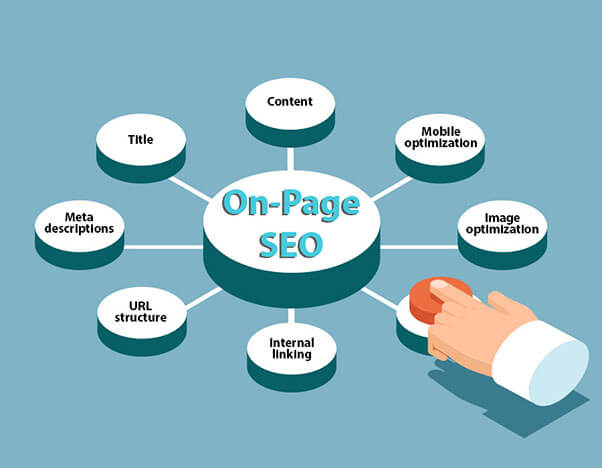
On-page SEO refers to the optimization of individual web pages to rank higher in search engines and attract relevant traffic. It focuses on content, HTML source code, and website structure, unlike off-page SEO, which involves backlinks and external signals.
For new websites, on-page SEO is essential because:
- Google has no historical data about your site
- You need clear topical relevance
- Search engines rely heavily on content signals
Why On-page SEO Is Critical for a New Website
Before backlinks and authority come into play, Google evaluates:
- Content quality
- Keyword relevance
- Page structure
- User experience
Following the best on-page SEO practices for a new website ensures:
- Faster indexing
- Better crawlability
- Higher keyword rankings
- Improved engagement and conversions
1. Keyword Research: The Foundation of On-page SEO
Every successful SEO strategy begins with keyword research.
Best Practices:
- Target low-competition, long-tail keywords
- Focus on search intent (informational, transactional, navigational)
- Assign one primary keyword per page
For this blog, the primary keyword is:
Best On-page SEO Practices for a New Website
Use supporting keywords naturally throughout the content to avoid keyword stuffing.
2. SEO-Friendly URL Structure
Your URL structure should be:
- Short
- Clean
- Keyword-rich
Example:
example.com/best-on-page-seo-practices-for-a-new-website
On-page SEO Tips:
- Avoid numbers and special characters
- Use hyphens instead of underscores
- Include the main keyword once
SEO-friendly URLs improve both search rankings and click-through rates.
3. Optimized Title Tags (Most Important On-page Factor)
Title tags are one of the strongest ranking signals.
Best Practices:
- Keep titles under 60 characters
- Place the main keyword at the beginning
- Make it compelling for clicks
Example:
Best On-page SEO Practices for a New Website in 2026
A strong title improves:
- Rankings
- CTR (Click Through Rate)
- Brand visibility
4. Meta Description Optimization for Higher CTR
While meta descriptions are not a direct ranking factor, they influence clicks.
Best Practices:
- Keep under 160 characters
- Include the main keyword
- Add a clear value proposition
Example:
Learn the best on-page SEO practices for a new website to rank faster on Google, improve visibility, and drive organic traffic.
5. Proper Use of Heading Tags (H1 to H6)
Heading tags help search engines understand content structure.
Heading Structure Rules:
- One H1 per page (include main keyword)
- Use H2 for main sections
- Use H3 for sub-points
SEO Tip:
Your H1 should closely match the title tag and contain
Best On-page SEO Practices for a New Website
6. High-Quality, Original Content (Core Ranking Factor)
Content is still king.
Best Content Practices for New Websites:
- Write in-depth, informative content
- Avoid AI-detected or duplicate content
- Focus on topical authority
- Update content regularly
Google prioritizes:
- Helpful content
- Clear answers
- Expert-level writing
Your content should solve user problems better than competitors.
7. Strategic Keyword Placement (Without Stuffing)
Keyword placement matters more than keyword density.
Where to Place the Main Keyword:
- Title tag
- H1 heading
- First 100 words
- Subheadings
- Image alt text
- URL
- Conclusion
Use Best On-page SEO Practices for a New Website naturally to avoid penalties.
8. Image Optimization for SEO
Images improve user engagement, but unoptimized images slow down your website.
Best Practices:
- Compress images (WebP format recommended)
- Use descriptive filenames
- Add keyword-rich ALT text
Example ALT Text:
best on-page seo practices for a new website guide
Image SEO also helps rank in Google Image Search.
9. Internal Linking Strategy
Internal links guide both users and search engines.
Benefits:
- Distributes link equity
- Improves crawlability
- Reduces bounce rate
Best Practices:
- Link to relevant blog posts
- Use descriptive anchor text
- Avoid excessive links
Internal linking is one of the most underrated on-page SEO practices for a new website.
10. Page Speed Optimization
Page speed is a confirmed Google ranking factor.
Improve Speed By:
- Using fast hosting
- Enabling caching
- Compressing images
- Minimizing CSS & JS
Use tools like:
- Google PageSpeed Insights
- Lighthouse
A fast website improves:
- Rankings
- User experience
- Conversions
11. Mobile-Friendly Design (Mobile-First Indexing)
Google uses mobile-first indexing, meaning your mobile site is the primary version.
Mobile SEO Checklist:
- Responsive design
- Easy navigation
- Fast mobile loading
- Clickable buttons
Without mobile optimization, your SEO efforts may fail.
12. Schema Markup for Better Visibility
Schema markup helps search engines understand your content better.
Benefits:
- Rich results
- Higher CTR
- Improved SERP appearance
Use schema for:
- Blogs
- FAQs
- Services
- Reviews
Schema is a powerful but often ignored on-page SEO best practice for new websites.
13. User Experience (UX) & Engagement Signals
Google tracks user behavior such as:
- Bounce rate
- Time on page
- Scroll depth
Improve UX By:
- Clear content layout
- Short paragraphs
- Bullet points
- Readable fonts
Good UX indirectly improves SEO rankings.
14. SEO-Optimized Content Length
For competitive topics, long-form content performs better.
Recommended Length:
- Minimum: 1,200 words
- Ideal: 1,800–2,500 words
This blog follows best on-page SEO practices for a new website by providing comprehensive coverage.
15. Regular Content Updates
Fresh content signals relevance.
Update Strategy:
- Refresh old blogs every 6 months
- Add new statistics
- Improve keyword targeting
Content freshness helps maintain rankings over time.
Common On-page SEO Mistakes New Websites Must Avoid
- Keyword stuffing
- Duplicate content
- Missing meta tags
- Thin pages
- Slow loading speed
- Ignoring mobile users
Avoiding these mistakes is just as important as applying best practices.
Final Thoughts: Build a Strong SEO Foundation
Implementing the best on-page SEO practices for a new website is not optional—it’s essential. On-page SEO sets the foundation for long-term growth, authority, and organic traffic.
When done correctly, it helps your website:
- Rank faster on Google
- Attract qualified traffic
- Build trust and credibility
- Convert visitors into customers
Start with on-page SEO today, and your website will thank you tomorrow.