


Google Search is evolving rapidly, and one of the biggest transformations is the introduction of Google SGE (Search Generative Experience). This AI-driven search experience is changing how users discover information and how websites gain visibility. To stay competitive in this new era, businesses must focus on Google SGE Optimization.
What is Google SGE?
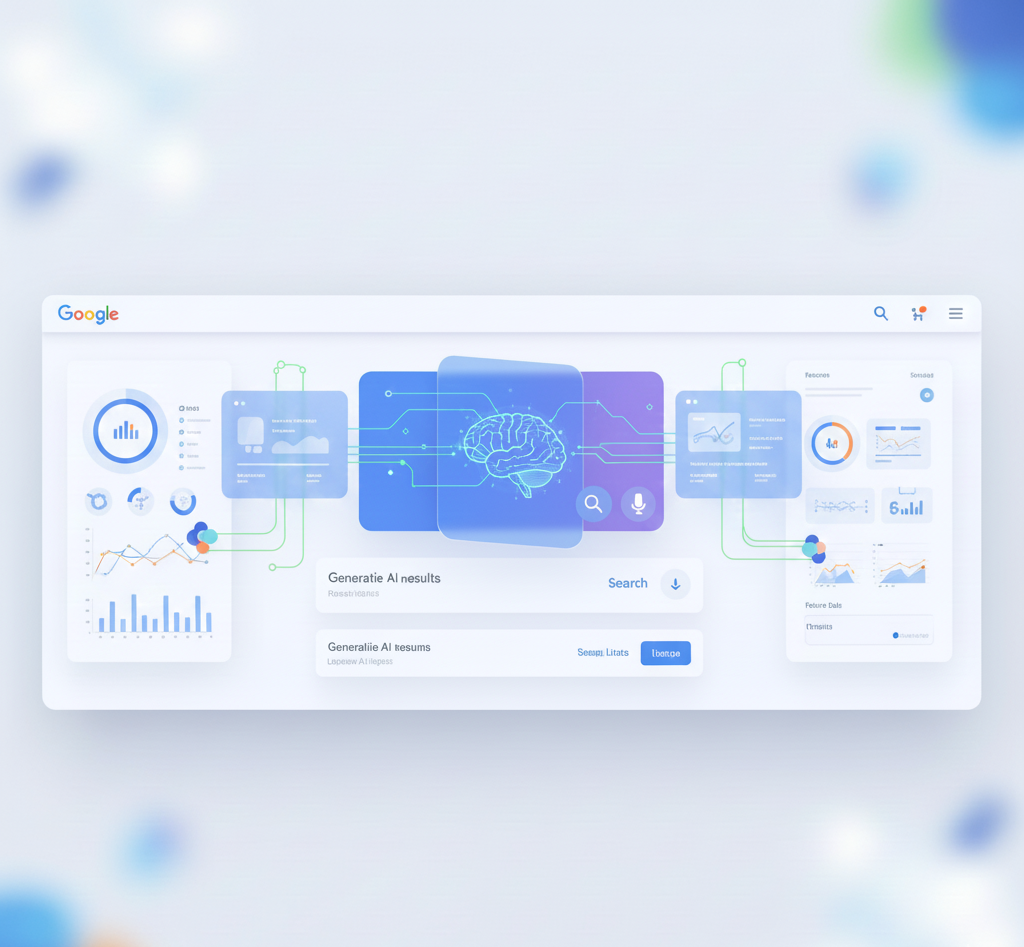
Google SGE (Search Generative Experience) is Google’s AI-powered enhancement to search results. It leverages generative AI to:
- Provide instant summaries of complex queries
- Combine information from multiple trusted sources
- Answer follow-up questions conversationally
- Reduce the need for users to click multiple links
With Google SGE, search is no longer just about ranking #1—it’s about being selected by AI as a trusted source.
This is where Google SGE Optimization becomes critical.
Why Google SGE Optimization is Important for SEO
Traditional SEO focused on keywords, backlinks, and rankings. However, Google SGE Optimization focuses on:
- Authority & credibility
- Content depth and clarity
- Topical relevance
- User intent satisfaction
- Structured, AI-readable content
If your website is not optimized for SGE, you risk losing visibility—even if you rank well in traditional search results.
Key Benefits of Google SGE Optimization
- Higher visibility in AI-generated answers
- Increased brand authority and trust
- Better engagement and dwell time
- Future-proof SEO strategy
- More qualified organic traffic
How Google SGE Selects Content
Understanding how SGE works helps improve Google SGE Optimization.
Google SGE prioritizes content that is:
- Accurate and trustworthy
- Well-structured and easy to understand
- Written by subject-matter experts
- Optimized for search intent
- Updated and relevant
Websites that demonstrate E-E-A-T (Experience, Expertise, Authoritativeness, Trustworthiness) have a higher chance of being featured.
Core Strategies for Google SGE Optimization
1. Create In-Depth, Intent-Focused Content
Google SGE favors content that fully answers user queries. Your content should:
- Address primary and secondary search intent
- Answer common follow-up questions
- Provide real value, not fluff
For effective Google SGE Optimization, focus on topical authority rather than isolated keywords.
2. Use the Main Keyword Naturally: Google SGE Optimization
Keyword usage still matters, but it must be natural and contextual. Use Google SGE Optimization in:
- Title (H1)
- Subheadings (H2, H3)
- Introduction and conclusion
- Body content (without stuffing)
- Meta description and URL (recommended)
This helps Google understand topical relevance while remaining user-friendly.
3. Optimize for Conversational & Question-Based Queries
SGE responds best to conversational searches such as:
- “What is Google SGE Optimization?”
- “How does Google SGE affect SEO?”
- “Best practices for Google SGE Optimization”
Include FAQ-style sections, bullet points, and clear explanations to align with AI-generated answers.
4. Strengthen E-E-A-T for Google SGE Optimization
Google SGE heavily relies on trust signals.
To improve Google SGE Optimization, ensure:
- Author bios with expertise
- Accurate facts and sources
- Updated content
- Secure website (HTTPS)
- Clear About Us & Contact pages
The more trustworthy your site appears, the more likely SGE will reference it.
5. Structured Content & Clear Formatting
AI systems prefer content that is easy to scan and interpret.
Best formatting practices for Google SGE Optimization:
- Use clear H1, H2, H3 headings
- Short paragraphs (2–4 lines)
- Bullet points and numbered lists
- Tables (where relevant)
- Direct answers under headings
This improves readability for both users and AI.
6. Focus on Semantic SEO & Entities
Google SGE doesn’t rely only on exact keywords. It understands context and entities.
For strong Google SGE Optimization, include related concepts such as:
- AI-powered search
- Generative AI in SEO
- Search experience optimization
- AI-driven SERPs
- Future of SEO
This builds semantic relevance and topical depth.
7. Improve Page Experience & Technical SEO
Even with great content, poor technical SEO can limit SGE visibility.
Ensure:
- Fast page loading speed
- Mobile responsiveness
- Clean URL structure
- Proper internal linking
- Indexable pages
Technical health supports Google SGE Optimization by improving crawlability and user experience.
Google SGE Optimization vs Traditional SEO
| Traditional SEO | Google SGE Optimization |
|---|---|
| Keyword rankings | AI content selection |
| Blue links | AI-generated summaries |
| Click-focused | Answer-focused |
| Backlinks-heavy | Authority & context |
| Short-form content | In-depth, expert content |
To succeed in 2025 and beyond, businesses must combine both strategies.
Content Types That Perform Best in Google SGE
For effective Google SGE Optimization, prioritize:
- Long-form guides
- How-to articles
- Expert blogs
- Comparison content
- Educational resources
- Industry insights
Avoid thin, duplicate, or overly promotional content.
Common Mistakes to Avoid in Google SGE Optimization
- Keyword stuffing
- AI-generated content without human editing
- Shallow or outdated information
- Poor site credibility
- Ignoring user intent
Google SGE rewards quality over quantity.
Future of SEO with Google SGE
Google SGE is not replacing SEO—it’s redefining it. The future belongs to brands that:
- Educate, not just rank
- Build trust and authority
- Optimize for AI and humans
- Invest in long-term content value
Google SGE Optimization is no longer optional—it’s essential for sustainable organic growth.
Final Thoughts on Google SGE Optimization
Google’s Search Generative Experience marks a major shift in how content is discovered and consumed. Businesses that adapt early will gain a significant competitive advantage.
By focusing on Google SGE Optimization, creating authoritative content, and aligning with AI-driven search behavior, you can secure long-term visibility, credibility, and organic traffic.
If you want your website to thrive in the AI-powered search era, start implementing Google SGE Optimization strategies today.