


What Are High-Converting Social Media Campaigns?
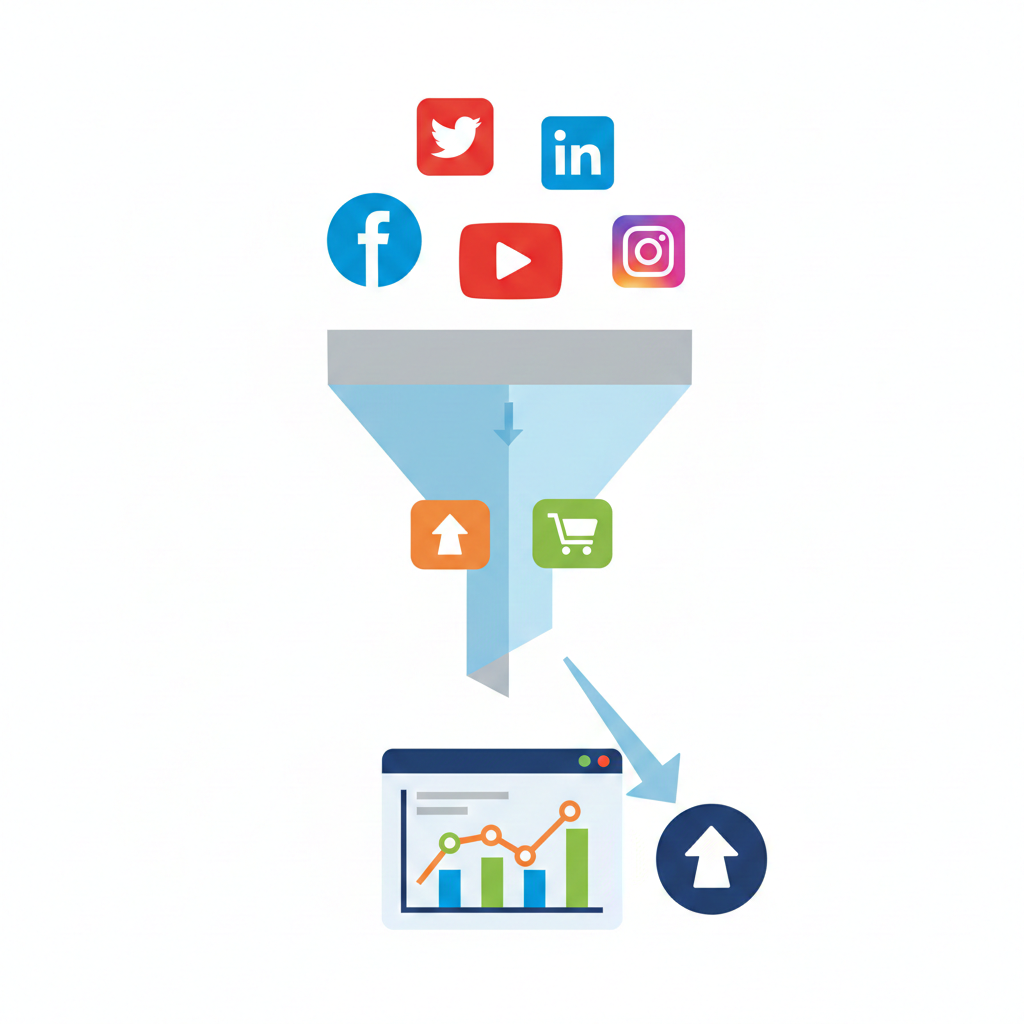
High-converting social media campaigns are strategically designed marketing efforts that persuade users to take a specific action—such as signing up, purchasing, downloading, or contacting your business.
A successful high-converting campaign focuses on:
- Right audience
- The right message
- The right platform
- Right timing
- A clear call-to-action (CTA)
Understanding how to create high-converting social media campaigns begins with aligning content strategy with user intent.
Why High-Converting Social Media Campaigns Matter for SEO
While social media signals are not direct ranking factors, high-performing social media campaigns indirectly boost SEO by:
- Driving consistent website traffic
- Increasing content visibility
- Improving brand searches on Google
- Supporting backlink opportunities
- Enhancing engagement metrics
When users interact with your content, spend time on your website, and convert, Google sees your brand as authoritative and trustworthy.
Step 1: Define Clear Campaign Goals and KPIs
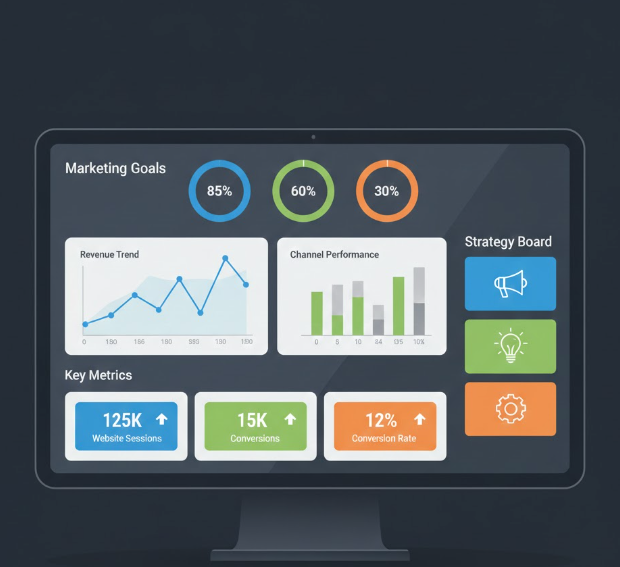
The foundation of how to create high-converting social media campaigns is clarity. Without defined goals, conversions are impossible to measure.
Common campaign goals include:
- Lead generation
- Website traffic
- Brand awareness
- App installs
- Sales conversions
- Email sign-ups
Each goal should have a Key Performance Indicator (KPI) such as:
Step 2: Understand and Segment Your Target Audience
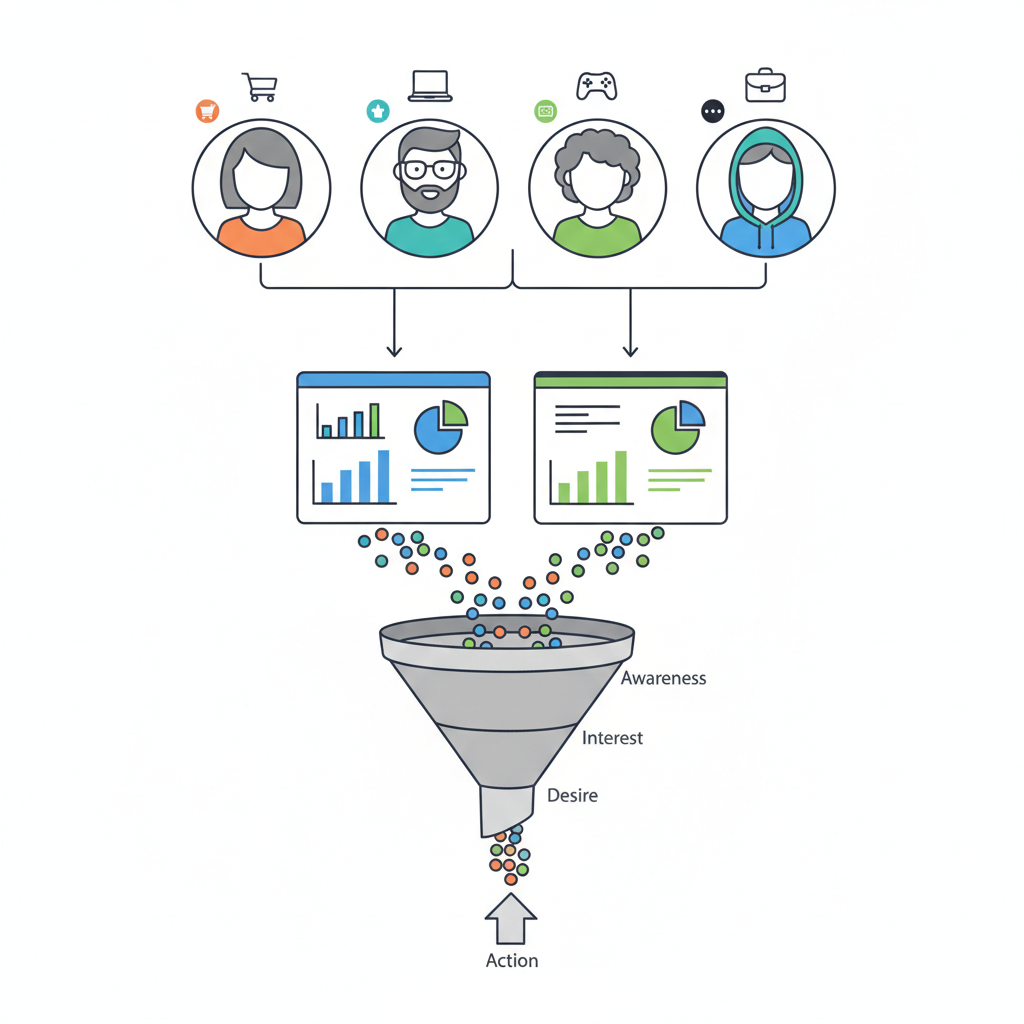
Audience targeting is the backbone of high-converting social media campaigns. You must understand who your audience is, what they want, and how they behave online.
Key audience data points:
- Age, gender, and location
- Interests and behaviors
- Pain points and challenges
- Buying intent and decision stage
Use tools like:
- Meta Audience Insights
- LinkedIn Analytics
- Google Analytics
- CRM data
Precise audience segmentation leads to higher relevance, lower ad costs, and better conversions.
Step 3: Choose the Right Social Media Platforms
Not every platform works for every business. Knowing where your audience spends time is essential to creating high-converting social media campaigns.
Platform selection guide:
- Facebook & Instagram – B2C, eCommerce, lead generation
- LinkedIn – B2B, professional services
- X (Twitter) – Thought leadership, trends, brand voice
- YouTube – Long-form content, product education
- Pinterest – Visual products, lifestyle, inspiration
Focus on 2–3 platforms instead of spreading your budget thin.
Step 4: Create Scroll-Stopping Content That Converts
Content is the heart of how to create high-converting social media campaigns. Your content must capture attention within 3 seconds.
High-converting content formats:
- Short-form videos (Reels, Shorts)
- Carousel posts
- User-generated content
- Testimonials & case studies
- Before-and-after visuals
- Educational posts
Best practices:
- Strong hook in the first line
- Clear value proposition
- Emotion-driven storytelling
- Visual consistency
- Simple and strong CTA
Step 5: Write Persuasive Copy with Clear CTAs
Even the best visuals fail without compelling copy. Conversion-focused copywriting is essential in high-converting social media campaigns.
Key copywriting elements:
- Problem → Solution framework
- Social proof
- Urgency and scarcity
- Benefits over features
- Action-oriented CTAs
Examples of high-converting CTAs:
- “Book Your Free Consultation”
- “Get Started Today”
- “Download the Free Guide”
- “Claim Your Offer Now”
Step 6: Use Paid Ads Strategically for Higher Conversions
Organic reach is limited. Paid advertising accelerates results when learning how to create high-converting social media campaigns.
Best ad practices:
- A/B test creatives and copy
- Use retargeting audiences
- Optimize for conversions, not clicks
- Use platform-specific ad formats
- Track pixel and conversion events
Platforms like Meta Ads and LinkedIn Ads allow laser-focused targeting and scalable growth.
Step 7: Optimize Landing Pages for Social Traffic
Even high-converting social media campaigns fail if landing pages are weak.
Landing page essentials:
- Fast loading speed
- Mobile optimization
- Clear headline matching ad copy
- Simple form or checkout process
- Trust signals (reviews, badges)
Ensure message continuity between the ad and landing page to maximize conversion rates.
Step 8: Track, Analyze, and Optimize Performance
Data-driven optimization separates average marketers from top performers.
Track metrics like:
- Conversion rate
- Engagement rate
- Cost per conversion
- Bounce rate
- ROI
Use tools such as:
- Google Analytics 4
- Meta Ads Manager
- Heatmaps
- CRM dashboards
Continuous optimization is the key to scaling high-converting social media campaigns.
Common Mistakes to Avoid in Social Media Campaigns
Avoid these mistakes that reduce conversions:
- Targeting everyone
- Weak or unclear CTAs
- Ignoring analytics
- Inconsistent branding
- Not testing creatives
- Sending traffic to poor landing pages
Fixing these errors instantly improves results.
Future Trends in High-Converting Social Media Campaigns (2026)
To stay ahead, adapt to trends:
- AI-driven personalization
- Short-form video dominance
- Conversational ads
- Influencer micro-campaigns
- Social commerce integration
- LLM and ChatGPT-based content optimization
Brands that evolve will dominate organic and paid performance.
Final Thoughts: Mastering How to Create High-Converting Social Media Campaigns
Learning how to create high-converting social media campaigns is a blend of strategy, creativity, data, and consistency. When done right, social media becomes a powerful engine for organic traffic, leads, and long-term brand growth.
By applying the strategies outlined in this guide, businesses can increase conversions, improve SEO performance, and achieve measurable ROI from social media marketing.