


Why SEO Is Critical for Startups in 2026
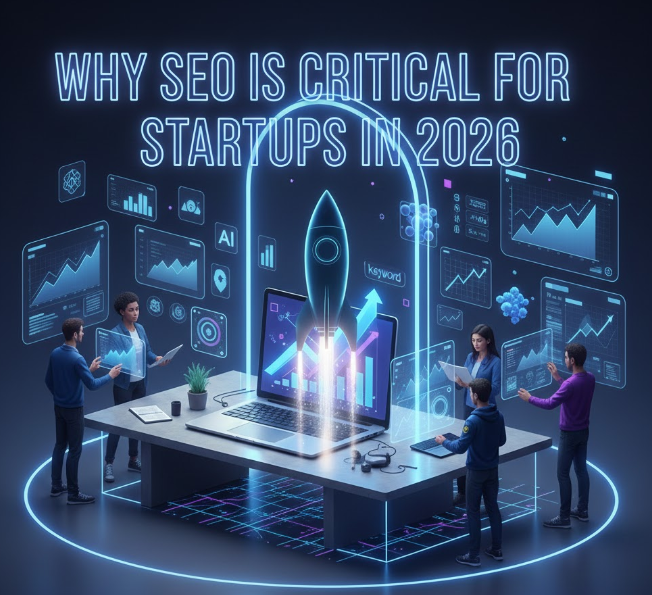
In 2026, SEO is no longer optional for startups—it is a core growth strategy. With rising digital competition, expensive paid advertising, and AI-driven search experiences dominating Google, startups must rely on SEO for Startups to build long-term visibility and trust. Search engines now prioritize expertise, relevance, and user intent, making organic search the most cost-effective channel for sustainable growth. A well-planned startup SEO strategy helps new businesses attract high-intent users, generate qualified leads, and compete with established brands without massive marketing budgets. This is why SEO remains the backbone of startup success in 2026. For startups, SEO is not just a marketing channel—it is a growth engine.
Key reasons startups must invest in SEO in 2026:
- Paid ads are becoming more expensive and less profitable
- Google AI Overviews are reshaping search behavior
- SEO delivers long-term ROI
- Strong SEO builds brand authority and credibility
How Google Search Has Changed in 2026
Understanding search evolution is the foundation of this blueprint.
Major SEO changes impacting startups:
- AI-powered search results (SGE & AI Overviews)
- Zero-click searches increasing
- EEAT (Experience, Expertise, Authority, Trust) as a ranking core
- Voice and conversational queries rising
- Google rewarding topical depth, not keyword stuffing
That’s why SEO for Startups: The Ultimate Blueprint to Rank on Google in 2026 focuses on strategy, not shortcuts.
Step 1: Build an SEO-Ready Startup Website
Essential technical SEO checklist:
- Fast loading speed (Core Web Vitals)
- Mobile-first design
- Clean URL structure
- HTTPS security
- Proper indexation
- Schema markup (FAQ, Article, Product)
Startups often skip this step—but technical SEO is the backbone of ranking in 2026.
Step 2: Smart Keyword Strategy for Startups
Keyword research in 2026 is about intent, not volume.
Types of keywords startups should target:
- Long-tail keywords
- Problem-based queries
- Comparison keywords
- AI-style conversational keywords
- Industry-specific micro-niches
This approach reduces competition and improves conversion.
Step 3: Create Topic Clusters (Not Random Blogs)
Google now ranks topics, not individual pages.
What are topic clusters?
- One pillar page (main guide)
- Multiple supporting blogs
- Strong internal linking
Your pillar:
SEO for Startups: The Ultimate Blueprint to Rank on Google in 2026
Supporting topics:
- SEO budget for startups
- AI SEO tools for founders
- Local SEO for startups
- SaaS SEO strategies
- Content marketing for startups
This structure builds topical authority, which Google loves in 2026.
Step 4: Content That Ranks in AI & Google
Content must satisfy humans + algorithms + AI models.
Content rules for startup SEO in 2026:
- In-depth, actionable, expert-level
- Clear structure with headings
- Real insights, not fluff
- Answer user intent completely
- Written for AI extraction (snippets & summaries)
This blog itself follows SEO for Startups: The Ultimate Blueprint to Rank on Google in 2026 best practices.
Step 5: Optimize for AI Search & ChatGPT Results
Search is no longer limited to Google blue links.
To rank in AI answers:
- Use natural language
- Answer questions directly
- Include FAQs
- Use schema markup
- Write authoritative content
“What is the best SEO strategy for startups in 2026?”
Your content should be the answer.
Step 6: EEAT – The Trust Factor for Startups
Google ranks brands it trusts.
How startups can build EEAT:
- Show founder experience
- Publish expert content
- Add author bios
- Link to authoritative sources
- Collect reviews & testimonials
- Maintain consistent branding
In SEO for Startups: The Ultimate Blueprint to Rank on Google in 2026, EEAT is non-negotiable.
Step 7: On-Page SEO That Converts
On-page essentials:
- Optimized title tags
- Clear H1, H2, H3 structure
- Strategic keyword placement
- Internal links
- Optimized images with alt text
- Strong CTAs
Your main keyword should appear:
- Title
- H1
- Meta description
- First 100 words
- Subheadings
- Naturally throughout content
Step 8: Link Building for Startups (Safe & Scalable)
Backlinks remain powerful in 2026—but quality > quantity.
Best link-building methods for startups:
- Guest posting on niche blogs
- Digital PR
- Founder interviews
- Resource page links
- SaaS directories
- Startup listings
Avoid spammy links. Google penalties can kill early-stage growth.
Step 9: Local & Global SEO for Startups
Local SEO strategies:
- Google Business Profile optimization
- Local citations
- Location-based content
- Reviews management
Global SEO strategies:
- International keywords
- hreflang tags
- Country-specific landing pages
Step 10: Track, Measure, Improve
SEO is not “set and forget.”
Tools startups should use:
- Google Search Console
- Google Analytics 4
- AI SEO tools
- Keyword tracking software
Track:
- Organic traffic
- Keyword rankings
- Conversion rates
- Content performance
Constant optimization keeps you ahead in 2026.
Common SEO Mistakes Startups Must Avoid
Avoid these:
- Targeting high-competition keywords too early
- Thin or AI-spun content
- Ignoring technical SEO
- No content strategy
- No patience (SEO takes time)
SEO for Startups: The Ultimate Blueprint to Rank on Google in 2026 is about sustainability, not hacks.
How Long Does SEO Take for Startups?
Realistic timelines:
- 0–3 months: Foundation
- 3–6 months: Visibility
- 6–12 months: Traffic growth
- 12+ months: Authority & leads
SEO rewards consistency.
Final Thoughts: The Future of SEO for Startups
In 2026, startups that win are not the ones who spend the most—but the ones who build trust, authority, and value.
- Long-term organic traffic
- Lower customer acquisition cost
- Brand authority
- Sustainable growth
SEO is no longer optional. It is your startup’s digital backbone.